Demystifying Medicare Dental Plans
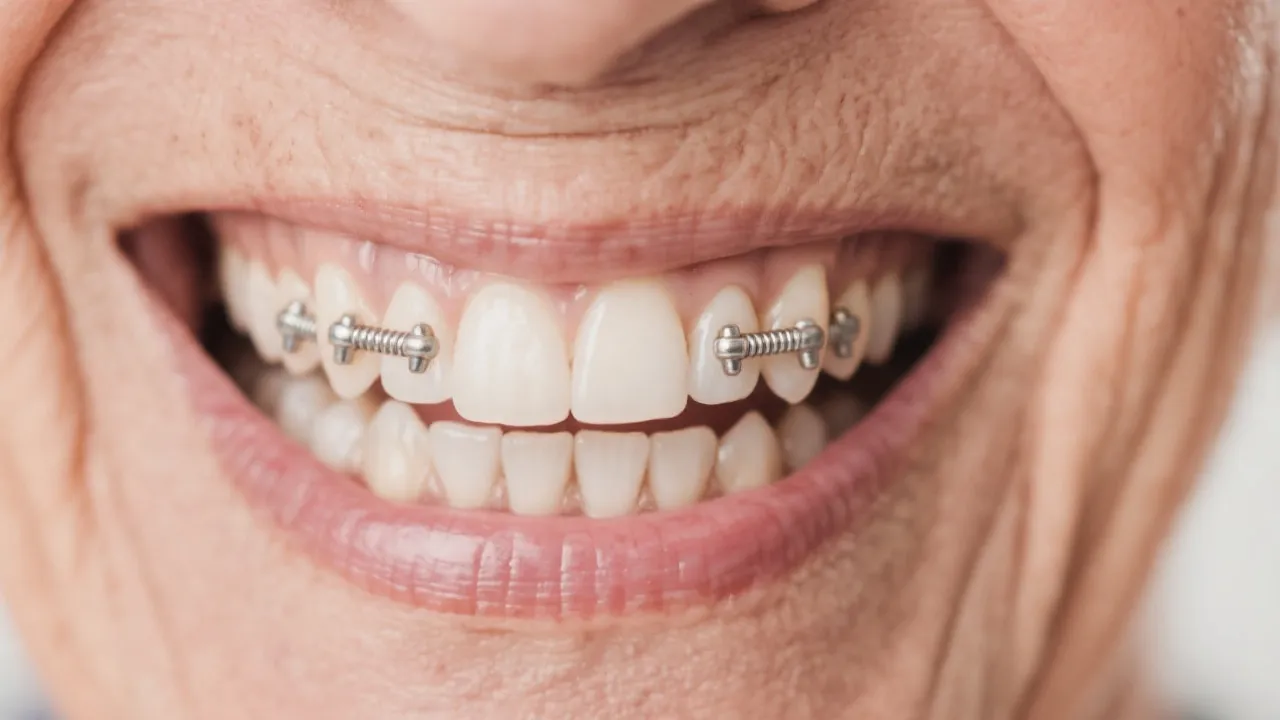
Explore this comprehensive guide on Medicare Dental Plans, detailing options for dental coverage under Medicare. As Medicare traditionally excludes dental care, individuals must seek alternative dental plans to manage oral health expenses. This guide offers insights into low-cost solutions, comparisons, processes, and cost estimations for dental services in English-speaking regions.
Understanding Medicare Dental Plans
Medicare, a notably comprehensive health insurance program, traditionally excludes coverage for dental care. This lack of coverage can lead to significant financial burdens for seniors who may require dental services. Consequently, Medicare Dental Plans have become essential for these individuals, allowing them to maintain their oral health without exorbitant out-of-pocket costs. This article intends to explore the nuances of Medicare Dental Plans, detailing coverage options, associated costs, and how to secure affordable dental care without compromising on quality.
Navigating Medicare and Dental Coverage
While Medicare Part A and Part B are pivotal in covering hospital and medical services, they generally do not extend to routine dental care like cleanings, extractions, or fillings. These parts of Medicare might only cover certain dental procedures when they are necessary for medical treatment, such as surgery requiring dental care for health-related issues (e.g., jaw surgery needing dental work).
This restriction leaves many beneficiaries in a challenging position, often seeking additional solutions to cover their dental needs. Consequently, individuals often explore Medicare Advantage (Part C) plans, which may offer dental benefits. These plans, provided by private insurers, can include coverage for routine dental services, as well as other essential benefits like vision and hearing services.
However, the coverage offered through Medicare Advantage plans can vary significantly. Each plan may differ in terms of which services are covered, how much you will pay in premiums, and whether there are copays for visits. Therefore, beneficiaries are advised to review and compare the dental benefits associated with different Medicare Advantage plans meticulously to identify the most beneficial and economical option for their specific needs.
Types of Dental Coverage Under Medicare Advantage
Medicare Advantage plans may offer various types of dental coverage, each with distinct advantages and limitations. Some common types include:
- Preventive Services: This includes routine check-ups, cleanings, and x-rays, aimed at helping beneficiaries maintain oral health and prevent disease.
- Basic Services: These services may include fillings, extractions, and scaling, which are necessary for treating more immediate dental issues.
- Major Services: Coverage for more complex procedures such as crowns, bridges, and dentures may also be included, albeit often with a higher cost-sharing requirement.
Understanding the extent of coverage can help seniors plan their dental care more effectively and avoid unexpected expenses.
Comparing Low-Cost Dental Implant Options
| Website | Specialty |
|---|---|
| Dental Views | Provides affordable dental implant solutions, including detailed processes and pricing information. |
| Atlantic Dental Group | Offers comprehensive dental services; noted for easy access to information and booking processes. |
| DentaVacation | Focuses on dental tourism services, emphasizing cost savings through overseas dental treatments. |
Source: Dental Views, Atlantic Dental Group, DentaVacation
Cost Comparison for Dental Implants in English-speaking Regions
One of the primary concerns when considering dental implants is the anticipated cost. Below is a cost range for dental implants across several English-speaking countries:
- United States (US): $3,000 - $6,000 USD
- United Kingdom (GB): £2,000 - £2,500 GBP
- Australia (AU): AU$3,500 - AU$6,500 AUD
- Canada (CA): CA$3,000 - CA$5,500 CAD
These numbers illustrate a significant variance in pricing, influenced by factors such as local economic conditions, demand for dental services, and regional cost of living. Consequently, understanding these price ranges is crucial when seeking dental implant options that are financially feasible.
Affordable Dental Implants: English-speaking Regions
Securing dental implants at a reduced cost involves strategic planning and research. Here are some focused strategies to ameliorate expenses:
- Consider Dental Schools: Many dental schools offer services at a fraction of the cost. Procedures performed by students can provide significant savings while still allowing patients to receive quality care, as these students are typically overseen by licensed professionals.
- Inquire About Dental Savings Plans: Rather than traditional insurance, these plans can offer significant discounts on various dental procedures. Many providers offer memberships that allow for lower rates on services, and having one can save patients hundreds on procedures.
- Explore Out-of-pocket Options: It pays to compare costs across different dental clinics, as prices can vary significantly. Patients can often negotiate or inquire about sliding scale fees, especially at community health clinics.
By engaging in careful planning and research, patients can achieve substantial savings on dental implants and other dental services. Leveraging community resources and exploring non-traditional care options can also yield financial benefits.
FAQs on Medicare Dental Plans
- What dental services are covered under Medicare Advantage?
It varies between plans but may include routine services such as cleanings and exams, as well as more complex procedures like extractions, crowns, and dentures. - How do I know if a Medicare Advantage plan includes dental coverage?
To find out what a specific plan covers, review the details within the plan's ancillary benefits section or consult directly with the provider's customer service team, which can often clarify benefits related to dental care. - Are there other options if I choose Original Medicare?
If one chooses Original Medicare, standalone dental insurance policies or dental savings plans can provide additional coverage. Some beneficiaries also opt for supplemental health insurance that may cover dental services. - Is there a waiting period for dental coverage under Medicare Advantage plans?
Yes, some plans may impose waiting periods for certain services, particularly for major dental work, meaning patients should familiarize themselves with the specific terms and conditions of their chosen plan. - Can I change my Medicare plan to include dental benefits?
During the annual enrollment period, beneficiaries have the opportunity to review and change their Medicare plans, including switching to a Medicare Advantage plan that offers desired dental benefits.
Final Thoughts
Medicare Dental Plans represent a critical component of managing overall healthcare for seniors. By understanding the intricacies of available plans and cost-saving strategies, beneficiaries can make informed decisions that align with their healthcare needs and financial constraints. This proactive approach ensures that they do not compromise their dental health, acquiring necessary treatments without incurring overwhelming debt.
Strategies for Maintaining Oral Health
In addition to securing appropriate dental insurance or coverage, maintaining good oral health is vital. Here are some effective strategies seniors can adopt to enhance their dental health:
- Routine Dental Checkups: Regular visits to a dentist for checkups and cleanings are essential. These appointments can help catch potential issues early, reducing the likelihood of costly procedures later.
- Consistent Daily Care: Brushing teeth at least twice a day and flossing daily helps prevent decay and gum disease. Using fluoride toothpaste can further enhance this dental care routine.
- Dietary Choices: A diet low in sugar can minimize the risk of cavities. Consuming foods high in calcium and vitamin D supports tooth and gum health.
- Staying Hydrated: Sufficient water intake helps maintain saliva production, which is essential for neutralizing acids and protecting teeth.
- Avoiding Tobacco Products: Not only do tobacco products stain the teeth, but they can also lead to gum disease and other serious health conditions.
- Using Mouthwash: An antibacterial mouthwash can assist in reducing plaque and preventing gum disease.
Adopting these practices not only bolsters an individual’s dental health but also complements the need for dental insurance or coverage by reducing overall dental care costs.
Disclaimer: The above information is derived from online sources, accurate as of October 2023. Dental implant prices are indicative and subject to fluctuations based on region, clinic, and dental professional. Furthermore, rules and regulations regarding Medicare plans vary by location and may change; thus, it is advised to consult recent regulatory guidance or a qualified Medicare advisor when considering Medicare options.
References: